
Enduring design

Emily Hastie Senior Landscape Architect & Residential Design Lead, Kamo Marsh Landscape Architects kamomarsh.co.nz
When we think about great gardens, we rarely remember what they looked like when they were first planted. We remember the canopy that now frames the house, the winding path softened by planting, or the places where family and friends naturally gather. One of the most rewarding parts of my work is revisiting gardens years after they’ve been completed and seeing how they’ve matured into something even more beautiful than first imagined. The most memorable landscapes aren’t created overnight; they’re shaped by thoughtful design and given the opportunity to mature over time.
As a landscape architect, I spend much of my time helping clients think beyond the immediate. A thoughtfully designed landscape should evolve, becoming richer, more functional, and more beautiful as it matures. Like a well-designed home, it should feel as though it has always belonged there.
The most valuable investment in any project is often not what you can see, but what lies beneath. Good site planning, careful grading, drainage, irrigation, soil preparation, and provision for future services create the foundation for everything that follows. These hidden elements rarely receive attention once the project is complete, yet they determine how well a landscape performs for decades.
Equally important is establishing a clear masterplan. Not every project needs to be completed at once. In fact, many of the most rewarding landscapes are developed in carefully planned stages. By understanding the long-term vision from the outset, homeowners can prioritise key areas while ensuring future additions feel seamless rather than pieced together.
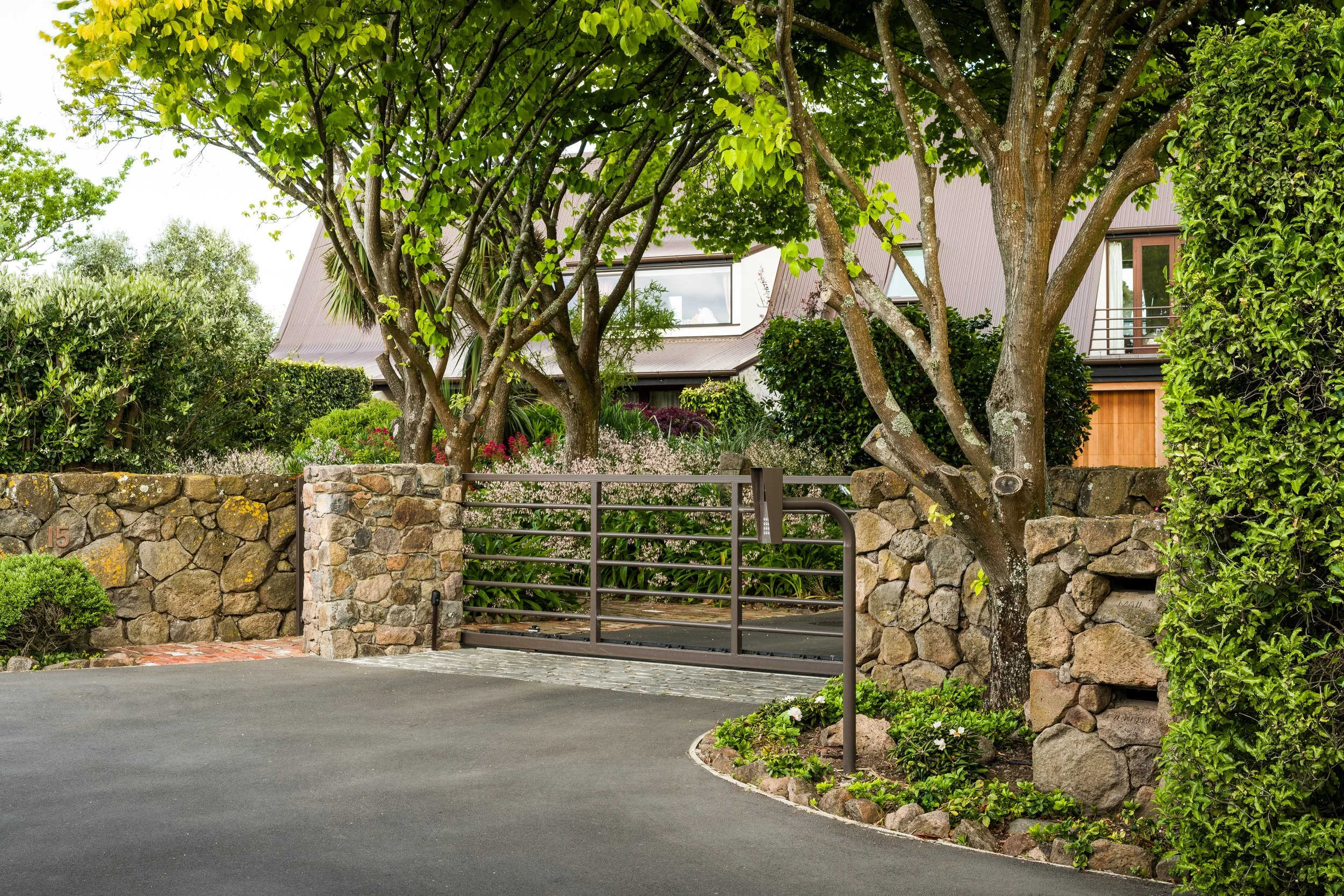
Trees are another example of designing with time in mind. A young specimen can seem almost insignificant when first planted, yet twenty years later it may define the entire character of a property. Selecting the right species, positioning them carefully, and allowing adequate space for their mature form requires patience, but few landscape decisions offer greater long-term rewards.
Perhaps the greatest challenge today is resisting the influence of short-lived trends. Outdoor spaces, like interiors, are subject to changing fashions, but timeless landscapes are grounded in simplicity, proportion, and an understanding of place. They respond to the architecture, climate, and lifestyle of the people who live there rather than following what’s currently popular.
I often encourage clients to imagine walking through their garden many years from now. Will the spaces still function as their family grows and changes? Will the planting have developed into something more beautiful than when it was first installed? Will the landscape continue to add value not only to the property, but to everyday life?