
In defence of black architecture

Richard Dalman
Managing Director, Dalman Architects dalman.co.nz
In my last article, I extolled the virtues of white architecture and perhaps dismissed the colour black as being used for buildings that have little to express.
But black deserves further consideration.
In the right setting, black can be every bit as powerful as white. Rather than demanding attention, it can absorb light and allow a building to sit quietly within its surroundings.
In New Zealand, our native bush features deep greens and dark shadows. Against this backdrop, a black building can recede effortlessly into the landscape, becoming part of the darkness rather than competing with it. Black can also have the opposite effect: set against an environment of typically lighter coloured buildings, it can be strikingly assertive.
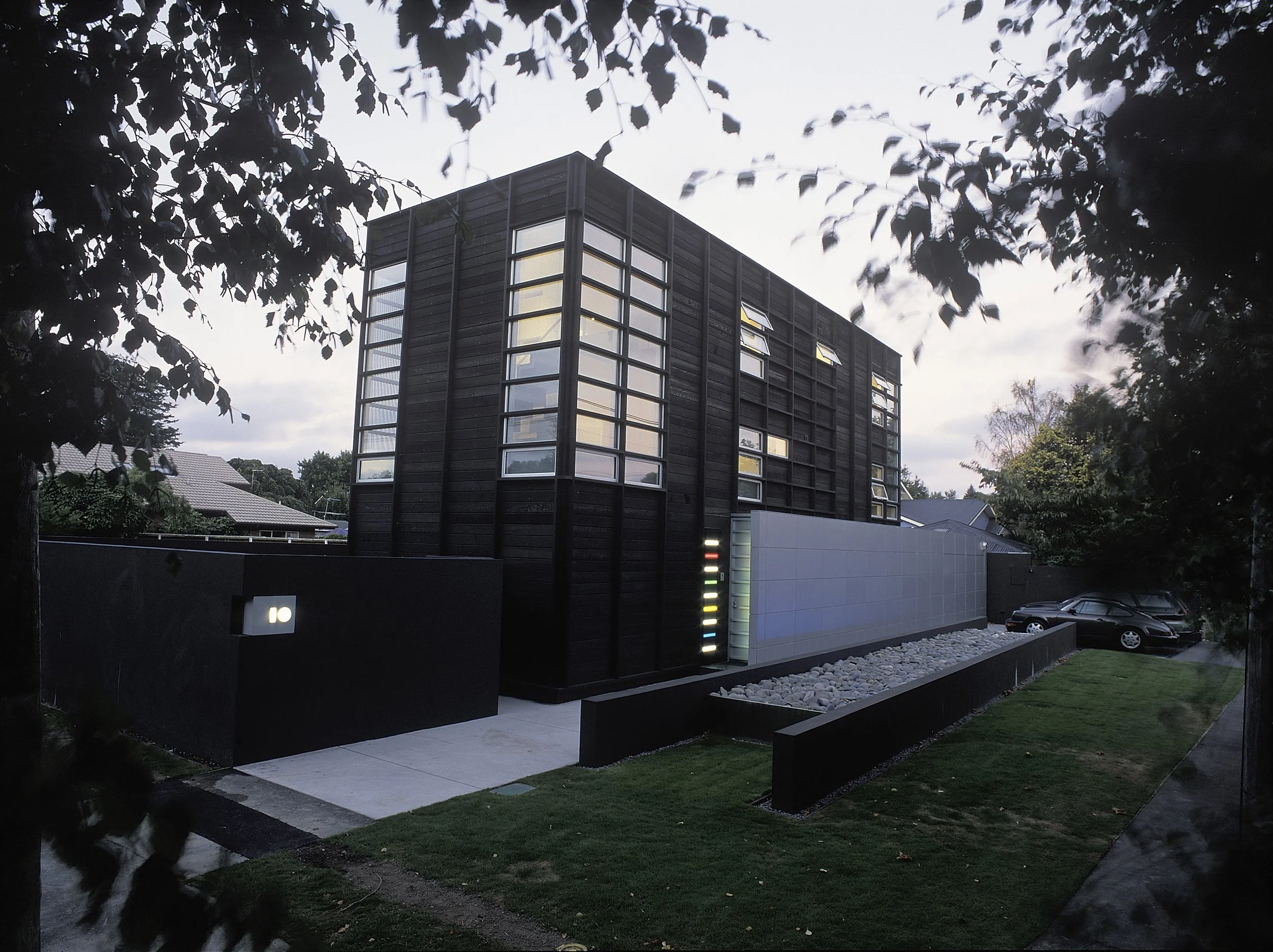
Credit: NZIA
A Thom Craig-designed house in Fendalton is a good example. Its black form sits deliberately apart from the more traditional homes surrounding it. When it was built, its uncompromising geometry and deep black colour were sufficiently confronting to feature in The Press, with neighbours questioning its stark appearance. Yet its position, set back from the street, and its simple rectilinear form give the building a measured presence rather than allowing it to dominate.
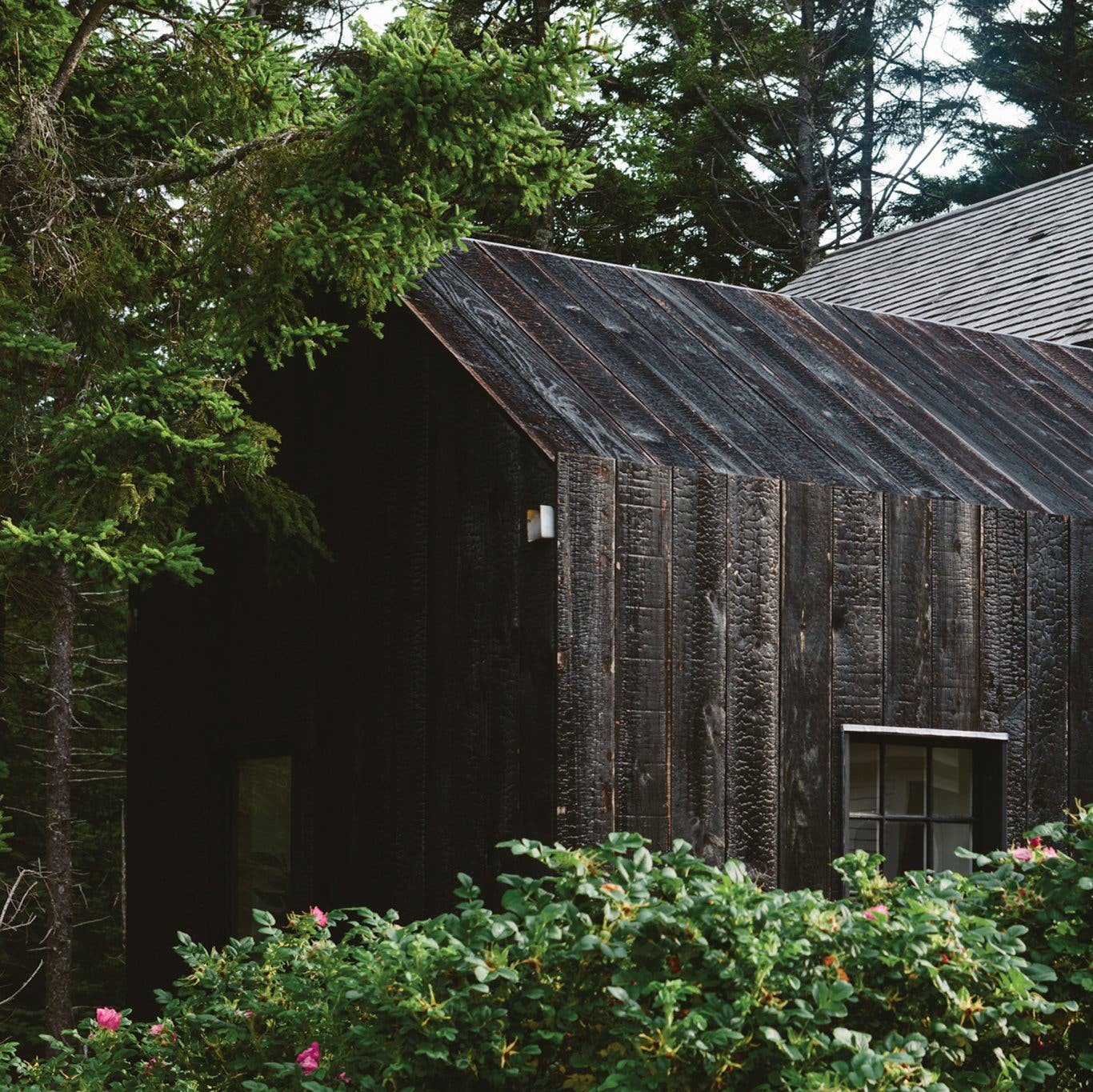
Black timber architecture is not a new idea. Timber has long been stained or charred black, both for aesthetic and practical reasons. In Japan, the traditional technique of shou sugi ban involves charring timber to create a rich, textured surface that helps protect it from rot, insects, and fire. The resulting blackened timber has depth and a surface revealing subtle variations.
And this is perhaps where black architecture becomes most interesting. Like white, black can reveal shadow, but the effect is more restrained. Rather than announcing every change in plane and surface, it asks us to look more closely.
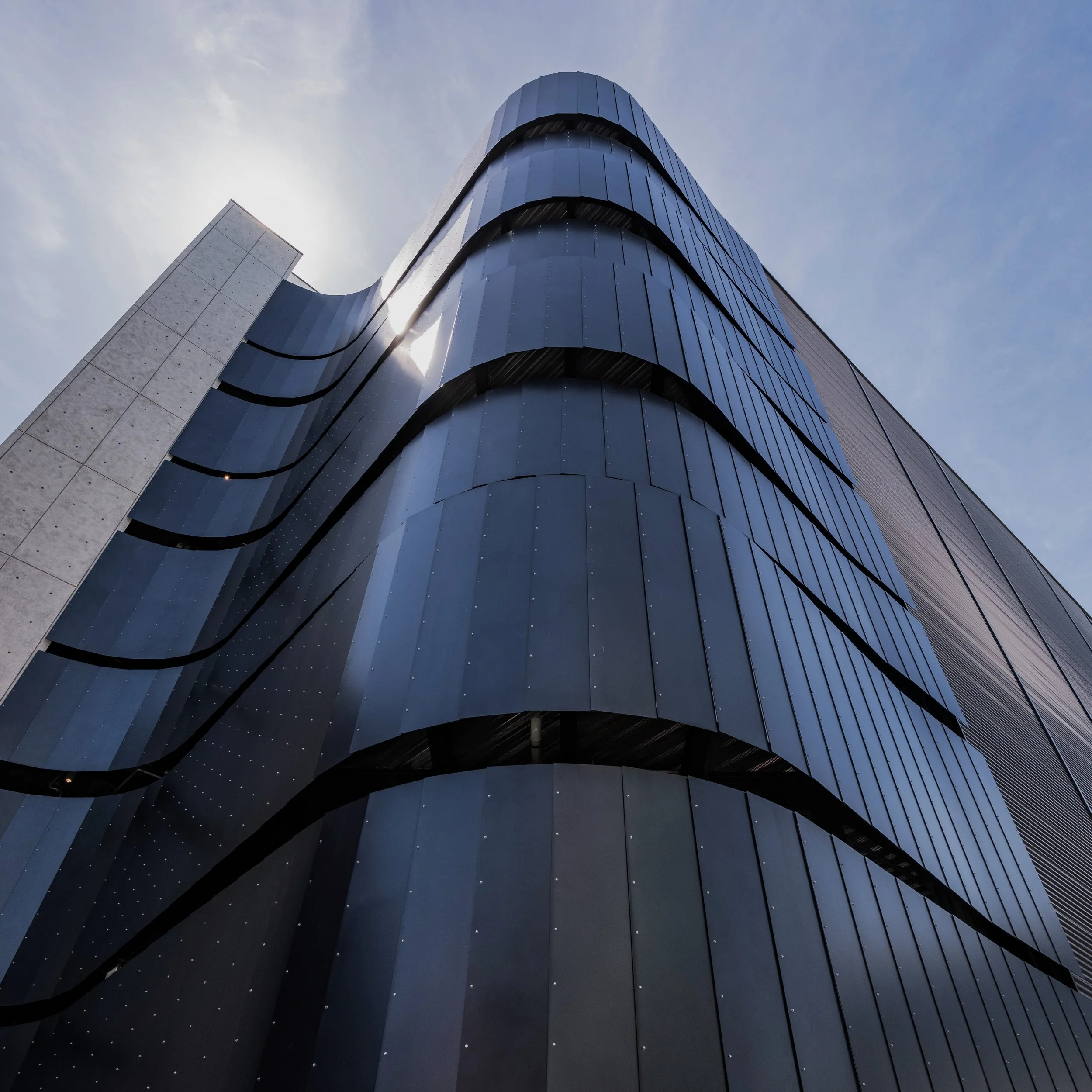
The Terrace Car Park building by Dalman Architects provides another Christchurch example. The sinuous, black steel spandrel panels – conceptually influenced by the black eels of the nearby Avon River – curve along their length, subtly changing in colour as they catch and reflect light.
Inside buildings, black can play an important role when darkness is deliberately embraced. For example, bars and nightclubs often use dark walls and ceilings to create a more intimate atmosphere.
So perhaps black architecture should not be dismissed; it can be bold or discreet, dramatic or recessive. It can disappear into the landscape or stand defiantly against it.
White architecture celebrates light. Black architecture understands its absence.