
A good night's rest
Sleep is something most people take for granted – until it stops working properly. But there are ways to address it to give you a good night’s rest.

For some, poor sleep means loud snoring and exhaustion. For others, it’s insomnia, restless nights, brain fog, or unexplained fatigue that slowly affects every part of life. At South Island Respiratory and Sleep (SIRS), formerly known as Cansleep, the focus is on understanding those issues in full and recognising that sleep health is deeply connected to overall wellbeing.
Recently renamed to reflect its growing scope across the South Island, its multidisciplinary team works across a wide range of sleep and respiratory conditions, offering tailored care designed around the individual patient.
“We really want to challenge the idea that sleep medicine is only about snoring and sleep apnoea,” says Dr Kate Jones. “Sleep affects almost every system in the body – cardiovascular health, metabolism, memory, mood, immune function, and even appetite regulation. Good sleep is foundational to long-term health.”
The SIRS team includes specialist-trained sleep and respiratory physicians, physiologists, and scientists with experience across New Zealand, Australia, North America, and the UK.
“We all share a commitment to delivering evidence-based sleep care that is personalised and up to date,” says Dr Richard Laing. “We pride ourselves on maintaining practices aligned with the latest research and therapeutic developments.”
The SIRS team diagnose and treats the full range of sleep disorders, from obstructive sleep apnoea and insomnia to narcolepsy, restless legs syndrome, parasomnias such as sleepwalking, and conditions related to shift work and disrupted sleep timing.
“We offer a complete holistic approach to managing all sleep conditions. This includes a specialist weight loss management clinic, as overweight and obesity can be a significant issue for a number of our patients who experience sleep issues,” says Dr Kate.
Supporting the physicians is a highly experienced team of sleep physiologists and scientists, who guide patients through diagnostics and treatment, including CPAP therapy. Administrative staff also play an important role, often becoming a reassuring and familiar point of contact throughout the patient journey.
“Continuity of care is essential, as sleep disorders rarely resolve with a single test or prescription,” Dr Kate says. “They require ongoing support, adjustment, and follow-up.”
Technology has transformed the field. Modern home-based sleep studies now provide detailed insights that once required overnight hospital stays. SIRS offers a range of at-home diagnostics, from overnight oxygen monitoring to comprehensive polysomnography studies that assess brain waves, breathing patterns, oxygen levels, and limb movement.
To support patients from across the South Island, the team can also offer remote diagnostics and telehealth consultations, reducing the need for travel while improving access to specialist care across Canterbury and the wider South Island.
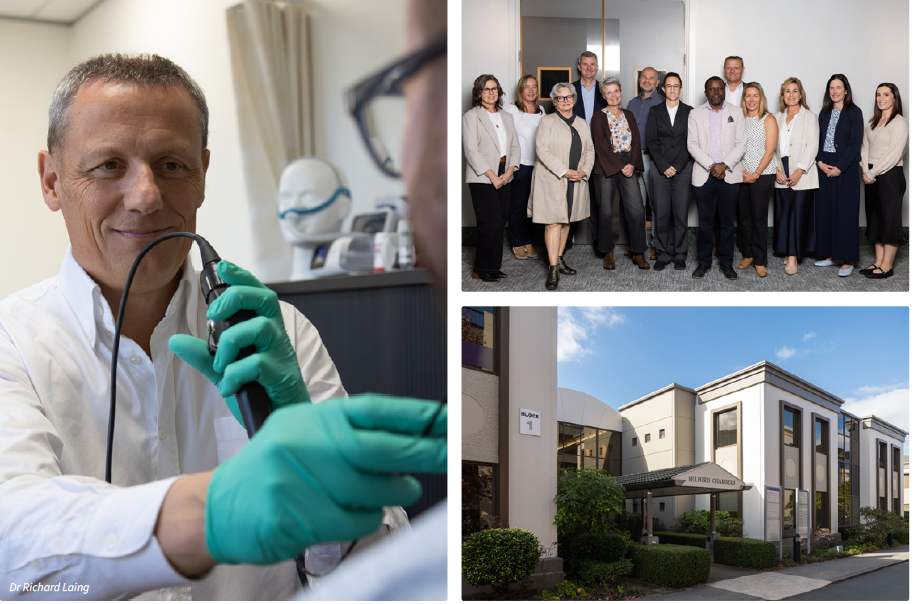
Treatment options have evolved, too. Whilst CPAP still forms the cornerstone of management of OSA, the SIRS team tailors solutions to meet the needs of individual patients and works closely with ENT surgeons and dental colleagues to deliver these bespoke solutions.
CPAP machines are quieter, smarter, and more comfortable than ever, with remote monitoring allowing clinicians to fine-tune therapy from afar. Oral sleep devices, developed alongside specialist dentists, also provide alternatives for suitable patients.
“What sets us apart is the time we spend getting to know our patients and understanding what’s really affecting their sleep and wellbeing. That’s what allows us to provide care that meets the needs of the individual.”