
Aotearoa to Venice
Renowned Kiwi artist, Dr Fiona Pardington, shares with Avenues her practice ahead of her presence at the La Biennale di Venezia in 2026, one of the world’s most prestigious art shows.
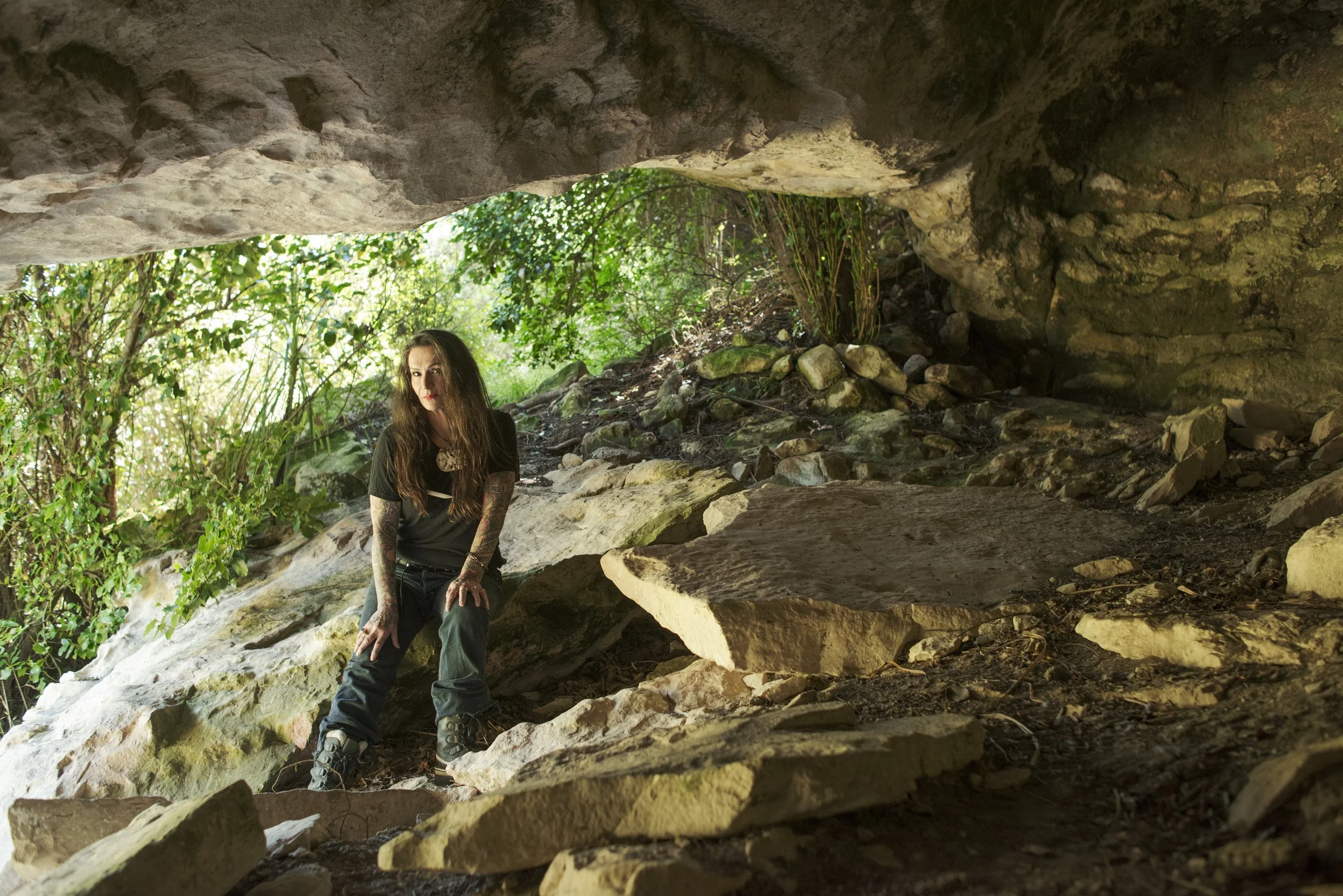
Your work often explores what is hidden or unseen in photography – what draws you to those quieter, more elusive elements? I’ve always been drawn to what sits just beneath the surface, the wairua of things. Photography can be loud and showy, but I’m more interested in the whispers, the shadows, the things that don’t announce themselves. Those quieter elements feel closer to the truth. They ask you to lean in, to take your time, to feel rather than just look.
You were part of a group of women artists challenging photography’s social documentary style in the late 1980s – what did that shift mean for you creatively? It was a real turning point. Back then, photography in Aotearoa was often expected to be social documentary, journalistic. A few brave women decided that our stories, our bodies, our imaginations matter too. It opened the door for more emotion, more mana wāhine in the medium. It gave me permission to trust my instincts.
Your still-life work with taonga and historical objects carries a strong emotional presence – how do you approach photographing items with such cultural and spiritual weight? With deep respect. These objects aren’t just “things”; they carry whakapapa, memory, and the hands of everyone who held them before. I take time, I mihi to them, I listen. My job is to honour their mauri, not to dominate it. When the photograph works, it’s because the object has allowed itself to be seen in a new way.
How has your mixed cultural background influenced your approach to your work? Being Kāi Tahu, Kāti Māmoe, Ngāti Kahungunu, and also of Scottish descent, I came to understand that identity is layered. That’s shaped everything I do. I’m comfortable moving between worlds, museum and marae, science and story, darkness and light. That mix gives me a wider lens, literally and metaphorically.
There’s a recurring dialogue between life, death, and preservation in your work – what continues to fascinate you about that tension? It’s the big human question, isn’t it? What stays, what fades, what we try to hold on to. Photography is always a kind of preservation, a way of saying, “I see you, I remember you”. I’m drawn to that edge where something is slipping away but still has presence. It’s tender, a bit haunting, and very beautiful.
Being selected to represent Aotearoa at La Biennale di Venezia in 2026 is a significant milestone – what does that opportunity mean to you? It’s huge. Venice is one of the biggest stages in the art world, and to stand there as a Kāi Tahu woman from Aotearoa feels powerful. At this point in my life, it’s a chance to reflect on the long journey: the people who backed me, the communities I belong to. I hope to bring home new connections, new energy, and a sense of having carried our stories with integrity.
How have you built on your work, Te taha o te rangi, ‘the edge of the heavens’? Taharaki Skyside grows out of that idea of standing at the horizon, that place where earth and sky meet, where the seen and unseen touch. I’ve pushed further into that space, thinking about navigation, belonging, and the way our tīpuna read the world through stars, winds, and birds. It’s about connection across distance: Aotearoa to Venice, past to present, people to place.