
The last one per cent
Inside a light-filled Christchurch workroom, where cones of merino sit stacked in tidy rows, waste is not something hidden out back. It is measured, sorted, and studied. It is seen.
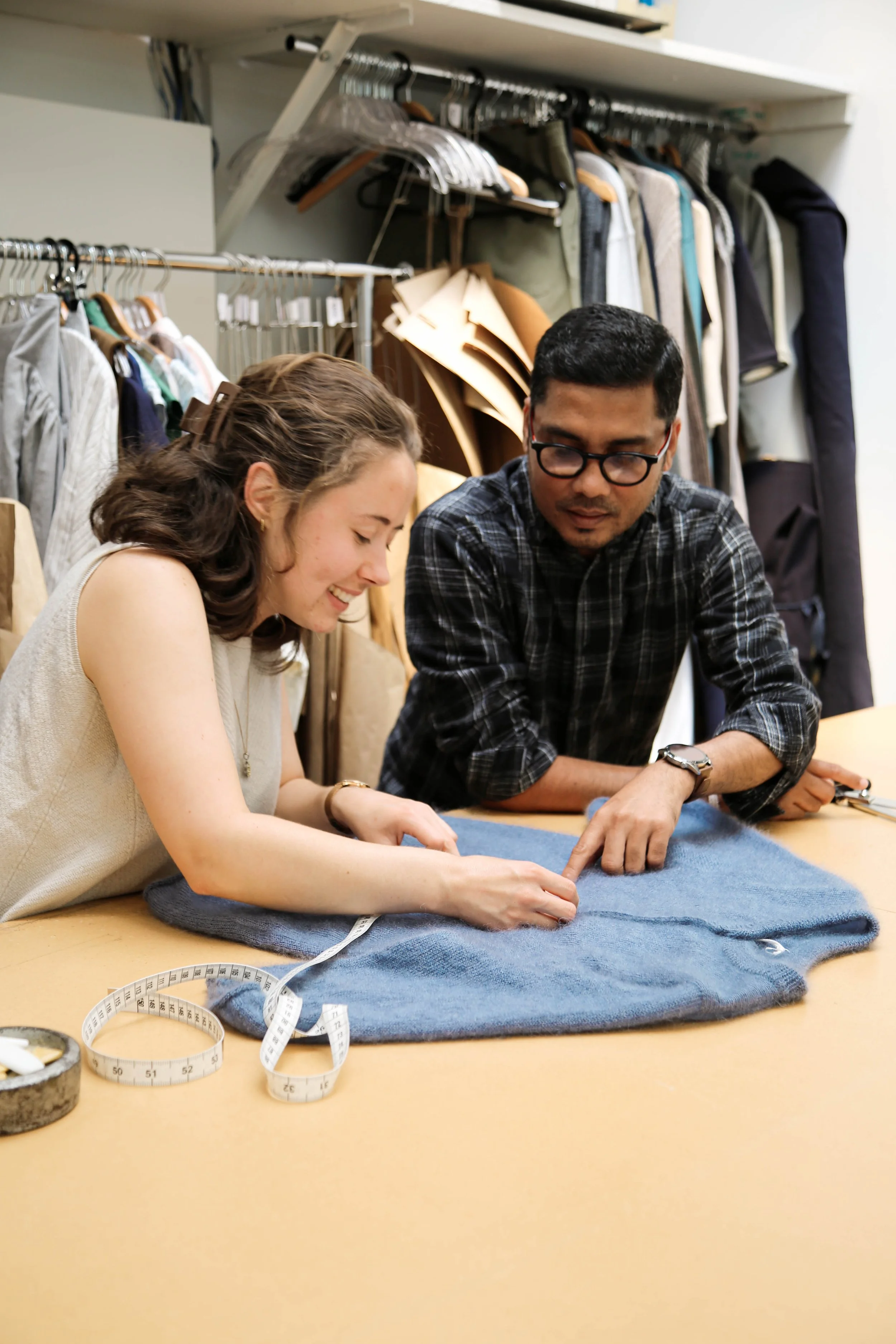
Untouched World, the New Zealand lifestyle company, is well-known locally and internationally for its premium knitwear and has built its reputation on natural fibres, especially wool. Fine merino, brushed possum blends, organic cotton, and plant-based yarns run through its collections. But wool is more than a material choice. It is the starting point for how the company thinks about responsibility.
Because Untouched World designs, knits, cuts, sews, and finishes garments within its own Christchurch facilities, the team has proximity to every offcut and thread. That closeness has shaped a clear goal: zero textile waste to landfill.
The commitment was formalised in 2020, with a time-bound target set for 2024. Once the team quantified the offcuts generated in production, they found it impossible to look away. What had once been background noise became an operational priority.
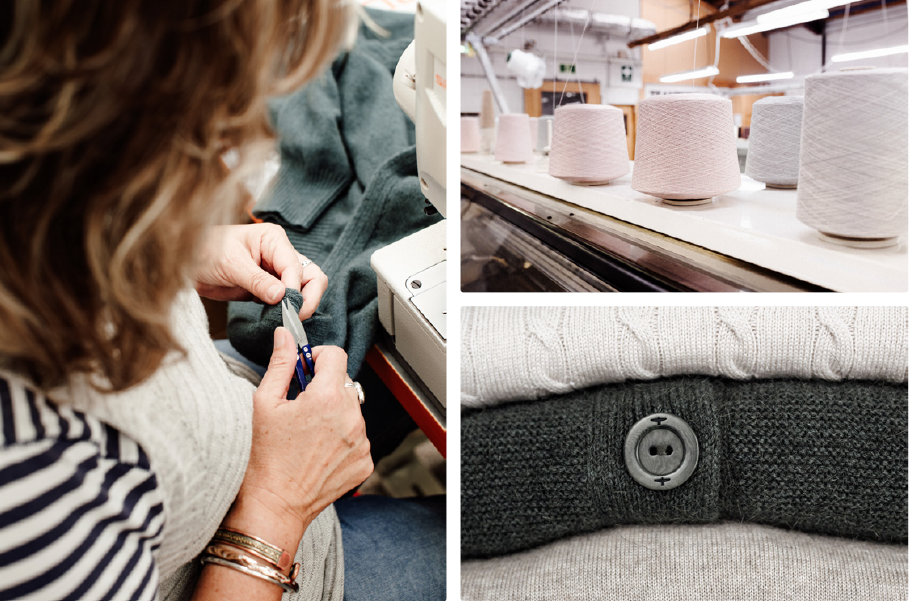
By 2024, 99 per cent of textile waste was being diverted into circular solutions, and wool played a leading role.
The first step was mapping the waste stream in detail. Fibre types were separated at source, with protein fibres like merino kept apart from cellulose fibres. Pattern efficiency was refined to reduce offcut volume.
Clean wool knit offcuts were redirected into home insulation and carpet underlay, giving the fibre a second life in homes across the country. Some textile waste was transformed into retail point-of-sale boards through a partnership with Impactex.
And then there are the “Rubbish Socks”.
Merino offcuts are collected, re-spun, and knitted into limited-run socks. One recent campaign gathered pink production waste to create socks supporting Breast Cancer Cure, with a portion of sales donated to the cause. What began as leftover fibre became something people wear with pride – a small but tangible example of wool’s circular potential.
Alongside these initiatives, the brand expanded in-house mending and repair services. After all, the most sustainable wool garment is the one already in a wardrobe.
Diverting the final one per cent from landfill, however, remains elusive. For a company grounded in natural fibres, it is telling that the most difficult waste to solve is not wool at all.
The remaining fraction largely consists of a small synthetic component – a recycled polyester draw thread used during knitting. It separates the initial rows of knitting from the rest of the garment, and polyester remains the only fibre currently strong, fine, and smooth enough for the task.
In a country with a relatively small manufacturing base, specialised recycling infrastructure for synthetics is limited. The final one per cent exposes the hidden complexity of modern garment construction – the quiet mix of materials inside even the simplest piece.
Rather than glossing over the challenge, Untouched World speaks openly about it. Progress is shared alongside limitations, reinforcing that sustainability is more than an instant fix – it is an ongoing process.
There is a quieter truth underpinning it all: quality matters. Encouraging people to buy less and choose well reduces waste at every stage. Extending a garment’s life by even a few months significantly lowers its environmental footprint.