
From water
A more environmentally conscious alternative to traditional cremation is now changing the way New Zealanders farewell their loved ones.
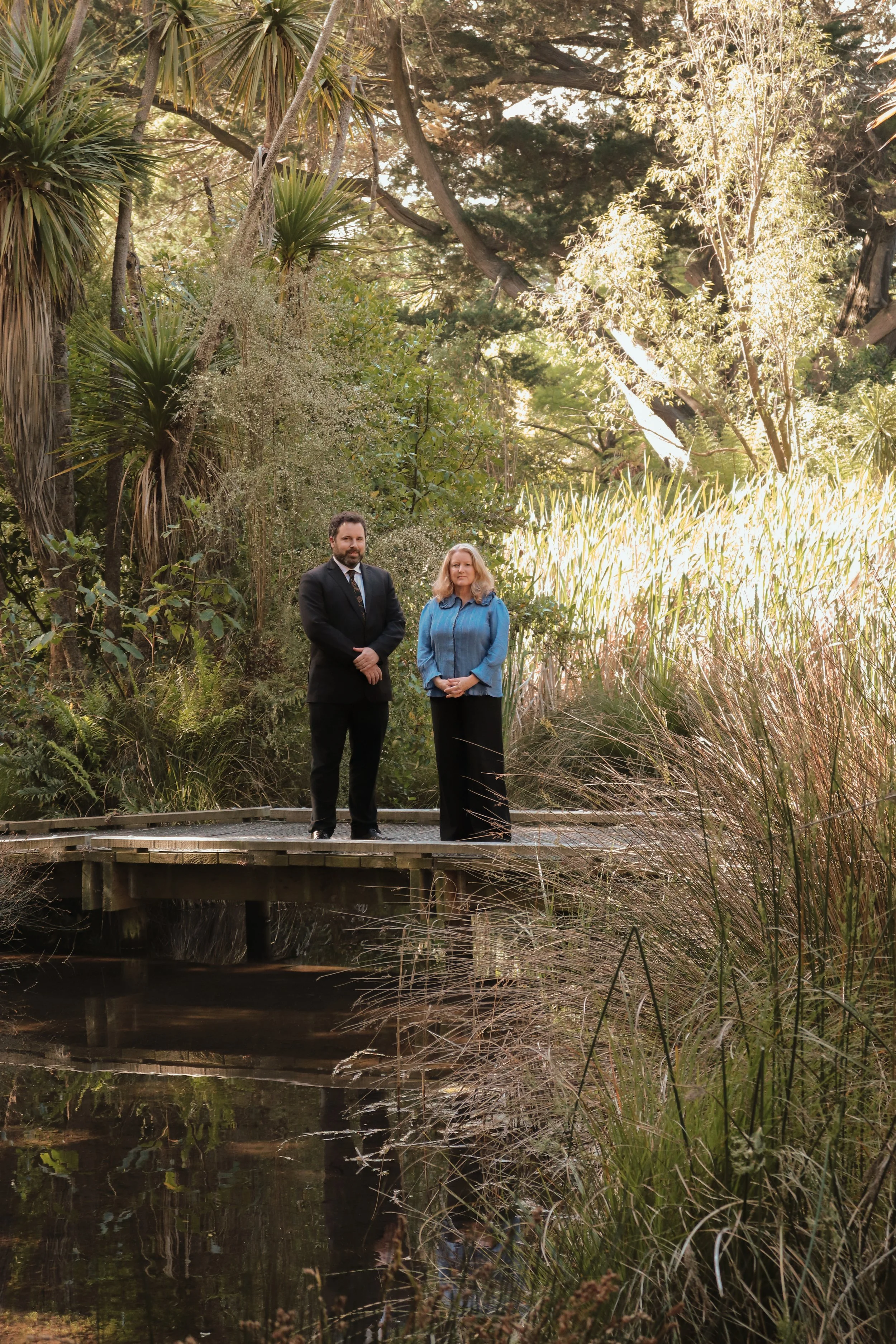
When Water Cremation Aotearoa opened the country’s first water crematorium at premises shared with Bell, Lamb & Trotter Funeral Directors, Christchurch Water Crematorium, it marked a significant milestone for the funeral industry.
Now, almost 18 months on, founders Debbie Richards and funeral director Andrew Bell are looking beyond Christchurch, with a mission to make this gentler alternative available to more New Zealanders.
Water cremation, also known as alkaline hydrolysis, uses a combination of water, potassium hydroxide, heat, and pressure to gently break down the body over several hours. Unlike traditional flame cremation, the process does not involve burning.
For Debbie, who first began researching environmentally conscious funeral practices in 2017, the journey has been one of determination and learning.
“I really do believe in the process. Still, I see it as a clean, beautiful, dignified, caring process, and it works well.”
Since opening, the Christchurch facility has completed more than 220 water cremations, with demand steadily growing as awareness increases.
Andrew says that interest is high, and they are always happy to educate families and those seeking information for themselves about the process.
“We still get people who haven’t heard of it. But we’re finding that people’s loved ones have researched it for themselves,” says Andrew.
One of the biggest surprises has been the amount of remains returned to families, approximately 30 to 40 per cent more than with traditional cremation.
For Debbie, this has been particularly meaningful when caring for families who have lost children or babies.
“Being able to give so much more back to the parents,” she reflects, has been especially rewarding.
The experience is also designed around choice. Families can spend time with their loved ones in the chapel, opt for a traditional loaned casket or simply a natural wool shroud, and even participate in parts of the process if they wish.
The wool shroud comes from Wisewool in Gisborne. This, too, goes into the Resomator and is broken down naturally.
Wisewool also provides wool packing for the urns, which is used alongside a hessian bag to contain the remains.
Flame cremation produces approximately 180 to 240 kilograms of carbon emissions, while the water cremation process itself produces no direct carbon emissions.
And the environmental benefits are only part of the appeal.
“We’re getting people coming here from Auckland and from as far down as Alexandra,” Debbie says.
With Christchurch Water Crematorium now established, Debbie and Andrew are helping other funeral homes introduce the technology, sharing the knowledge and experience gained through their pioneering work.
A second New Zealand facility is expected to open in Hamilton in 2027, with the equipment already ordered.
Closer to home, public interest continues to grow. Around 600 people attended the first two open days, with another opportunity to explore the facility scheduled for 30 and 31 January, from 3pm to 5pm, at 418 St Asaph Street.
For Debbie and Andrew, the goal has never been to replace traditional funeral practices, but to give families another meaningful choice.
But ensuring that more New Zealanders have the opportunity to do so remains at the heart of their mission.