
Doing it right from the start
Gavin Lowe Energy shares with Avenues the need to do ducted air conditioning right.
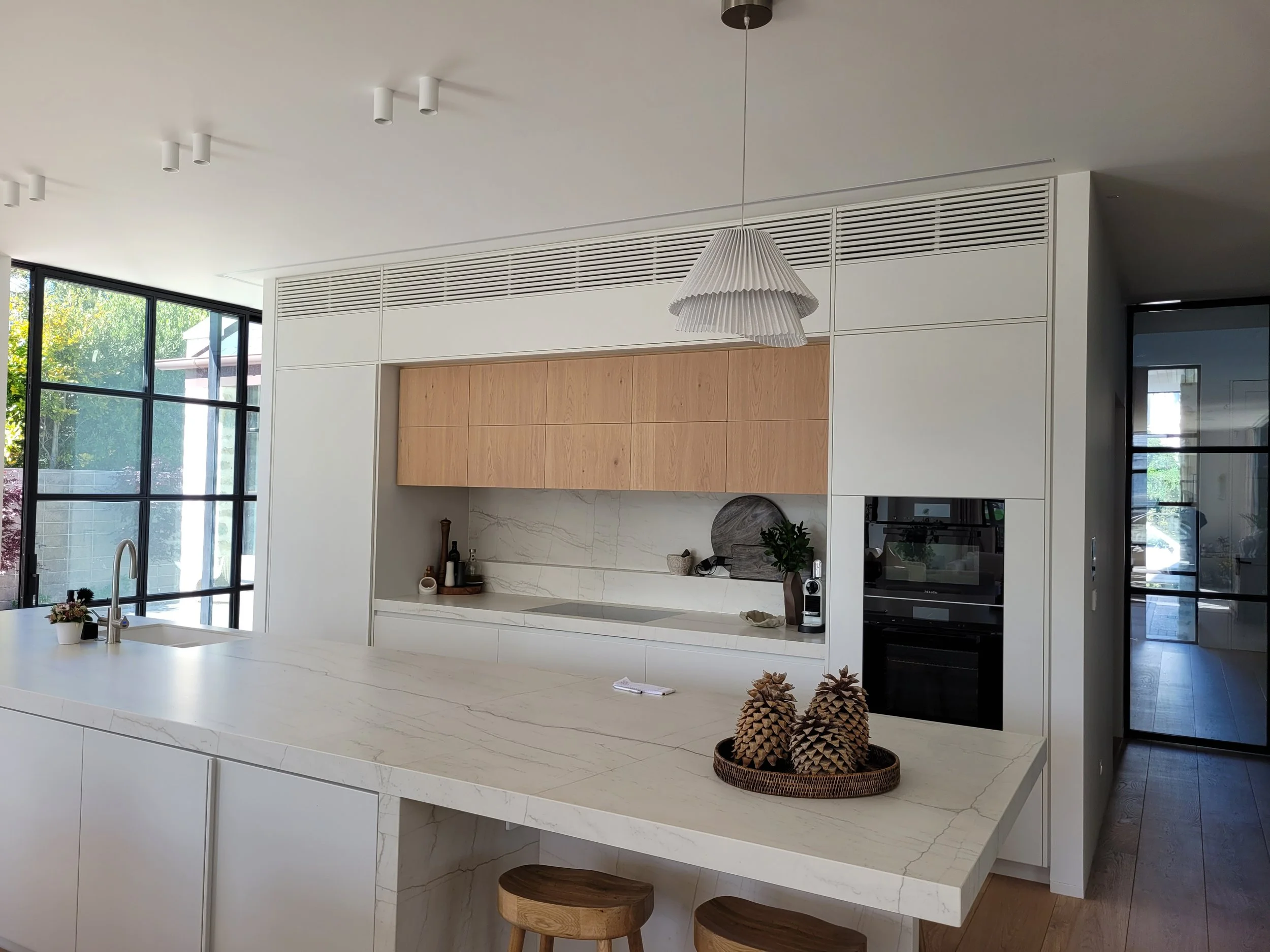
Ducted air conditioning has become the preferred option for heat pump air conditioning for many households; some are retrofitting it into their existing homes, and many new homes are automatically specifying it. But a warning: these systems are not self-contained like your high-wall heat pump. They need to be designed, with positioning and specification of appropriate materials, and airflows calculated for each installation, with a lot that can go wrong if it’s not.
As experts in the field, it’s not unusual for Gavin Lowe Energy’s technicians to be called out to a poorly designed and installed ducted system to provide advice and remediation.
“Using a recent example, when we assessed a system for a client, what we found was an absolute mess. Producing more draughts than warmth to the rooms, it was noisy, and vibrations from the indoor unit could be heard through the house. It cost a lot to run, being inefficient with air leaks and uneven airflow and temperatures, and the promised fresh air into the home was not performing as it should. Basically, they had paid a significant amount of money for a system that provided less comfort than if they had nothing at all,” says Lee Todd, Director and Commercial Manager.
After the assessment, they got underway setting it right: supplied and installed balancing dampers to control the airflow to each space; replaced the supply plenum to eliminate air (and heat) leakage into the roof space; replaced narrow, uninsulated ducting, which had choked the airflow and leached heat, with quality R1 insulated ducting; installed vibration separators between the indoor unit in the roof space and the timber trusses to eliminate vibrations; replaced the ‘flat face’ supply grilles with eco automatic supply grilles that allow heat to be transferred more easily from the ceiling to the floor level, as opposed to being dispersed above and to the sides where the heat stays; relocated the outdoor unit from the back of the bedrooms to behind the garage, reducing noise at night while sleeping; installed a heat recovery ventilation system to replace the fresh air system, bringing in tempered fresh air and substantially improving efficiency; then commissioned and balanced the system to ensure the airflow heated the rooms to the desired level at an equal rate.
All this comes at a cost, and could have, and should have, been done at the time of the original installation.
“The message here is that having a properly designed and calculated ducted system is essential so that the correct airflow and zones are provided for in the home, the specification of materials is fit for purpose, and the positioning of those materials, indoor and outdoor units, works. Integration of fresh air, if required, adds another layer of complexity not to be underestimated,” says Lee.
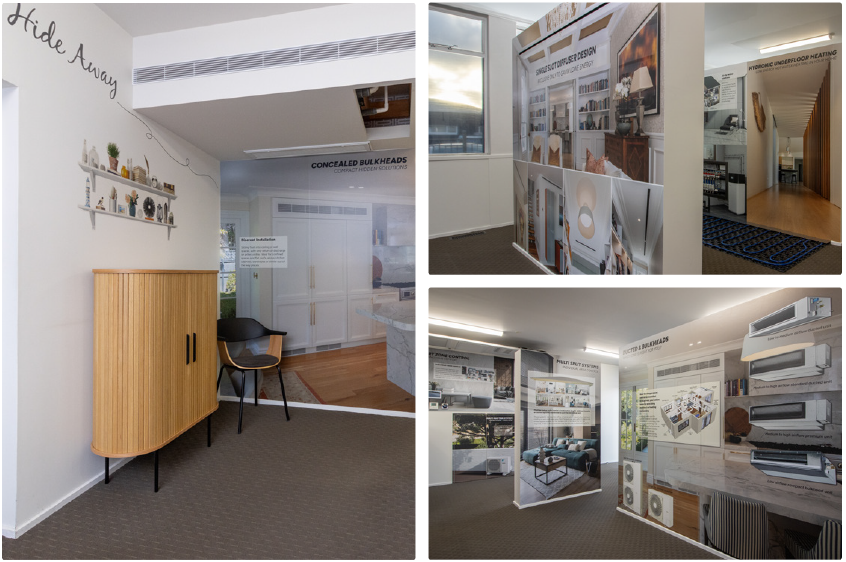
The showroom at Gavin Lowe Energy has an operational ducted system and various ducted component options on display. It is worth checking out to help you with your decision on this significant investment. It’s not just the financial cost you’ll be saving, but also the stress. Gavin Lowe Energy celebrated 30 years in business last year; that is a long time to fine-tune its expertise and skills in this area.